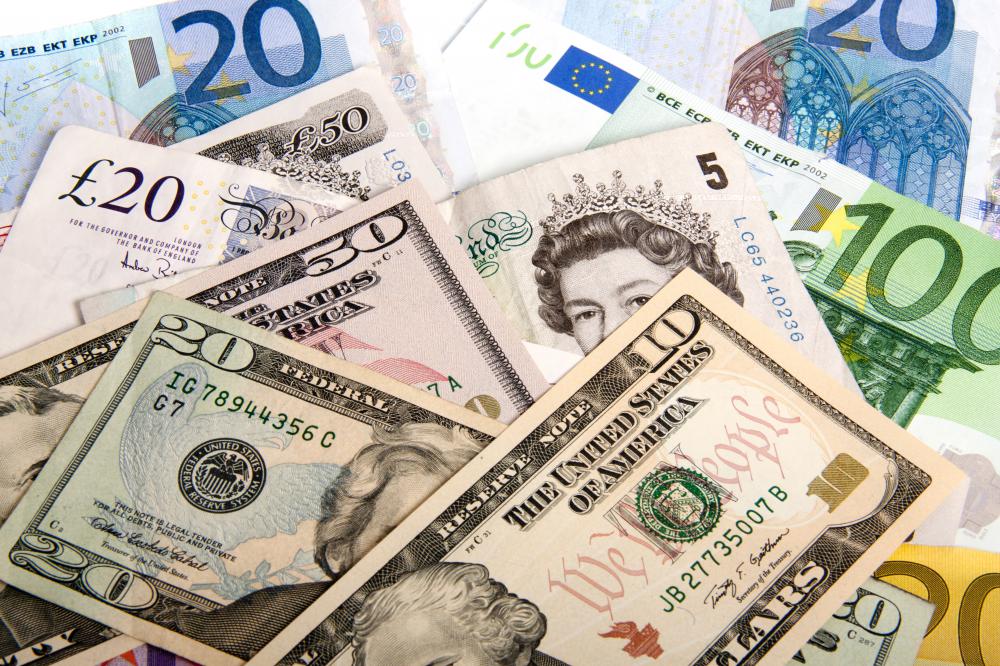
MoneyandMoney-Substitutes
WHENanindirect exchangeis transacted withthe aidofmoney,it
is not necessary for the moneyto change hands physically; a
perfectlysecure claimto anequivalentsum, payableondemand,
maybetransferred instead ofthe actual coins. In this byitself
thereis nothingremarkableorpeculiarto money.Whatis peculiar,
andonlyto beexplainedbyreference to the specialcharacteristics
ofmoney,is the extraordinaryfrequency ofthis wayofcompleting
monetarytransactions.
Inthe first place,moneyis especiallywelladaptedto constitute
the substance ofa genericobligation. Whereasthe fungibility of
nearlyallothereconomicgoodsis moreorless circumscribedandis
oftenonlyafiction basedonanartificialcommercialterminology,
that ofmoneyis almostunlimited. Onlythat ofshares andbonds
can be compared withit. Thesole factor that could possibly
preventanyofthese from beingcompletelyfungible is the difficulty
ofsubdividing their separate units; and various expedients have
beenadopted, which,atleast as far as moneyis concerned, have
entirelyrobbedthis difficultyofallpracticalsignificance.
Astill moreimportant circumstanceis involved in the natureof
the function that moneyperforms. Aclaim to moneymaybe
transferred overandoveragainin anindefinite numberofindirect
exchanges withoutthe personbywhomit is payableeverbeing
calleduponto settleit. Thisis obviouslynottrue as far as other
economic goods are concerned, for these are always destined for
ultimateconsumption.
Thespecialsuitabilityfor facilitatingindirect exchangespossessed
byabsolutely secure and immediately payableclaims to money,
whichwemaybrieflyrefertoasmoney-substitutes,is furtherincreased
bytheirstandinginlawandcommerce.
5°


 Posts
Posts


0 comments:
Post a Comment